








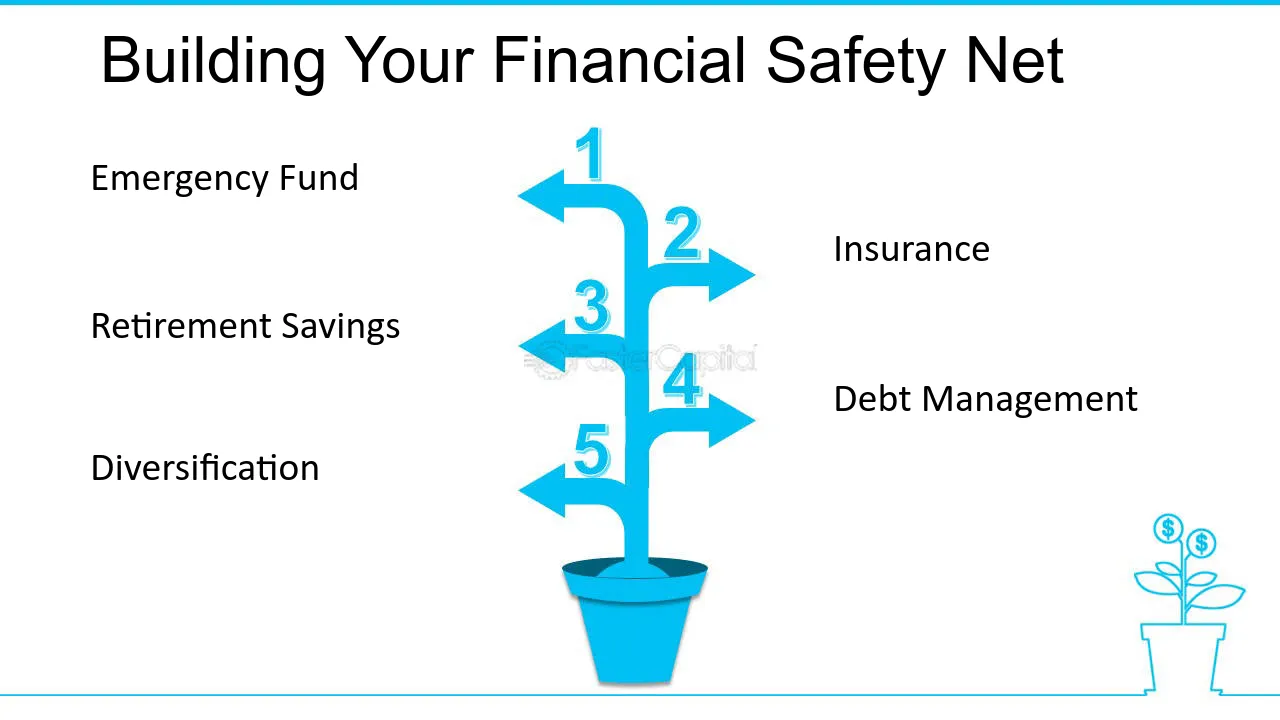
Money slips away, often when you least expect it. That’s the harsh reality for millions—despite our best intentions, a single unexpected expense can derail years of hard work. Take this: according to a Federal Reserve survey, 37% of Americans couldn’t cover a $400 emergency with cash or its equivalent. It’s not just a number; it’s a wake-up call that exposes the fragility of financial security in our modern world. But here’s the benefit you can seize: by building a financial safety net, you’re not just saving money; you’re crafting a buffer that brings peace of mind, protects your future, and empowers you to face life’s uncertainties head-on. In this article, we’ll explore practical ways to build a financial safety net, drawing from real experiences and timeless wisdom to help you take control.
My Unexpected Downfall: A Lesson from the Trenches
I never thought it would happen to me, but in 2018, a layoff hit like a thunderbolt. Picture this: one day I’m commuting to the office, the next, I’m staring at an empty bank account wondering how to pay the rent. That experience, raw and unfiltered, taught me the irreplaceable value of an emergency fund. It’s not just about stashing cash; it’s about creating a lifeline. In my view, starting with small, consistent contributions is key because, let’s face it, life doesn’t wait for your bonus check. I began by automating transfers from my checking account—nothing fancy, just $50 a week—and over time, it grew into a respectable nest egg.
But here’s a metaphor you might not expect: building a financial safety net is like planting a garden in a drought-prone area. You don’t wait for the rain; you dig irrigation channels early. That means prioritizing high-yield savings accounts over low-interest ones, which can make your money work harder without breaking the bank. And just when I thought I had it figured out, a friend shared her story—similar to mine but in a different city—reinforcing that this isn’t isolated. Opinions vary, of course; some experts swear by stocks for quicker growth, but for me, the reliability of a liquid fund beats the rollercoaster every time.
Cultural Threads: How Global Traditions Shape Savings
Ever wondered how other cultures tackle financial instability? In Japan, the concept of «yutori,» or having a cushion for life’s surprises, is woven into daily life—families often save up to six months’ worth of expenses, drawing from centuries of frugality. Contrast that with the U.S., where the «live for today» vibe, influenced by our consumer-driven society, often leaves people scrambling. This comparison isn’t to shame; it’s to highlight how historical contexts, like the post-war economic booms, have shaped our approaches. In my travels, I’ve seen how Scandinavian countries emphasize collective safety nets through robust social programs, yet individuals still build personal buffers.
Here’s an unexpected angle: imagine a conversation with a skeptical reader. «Why bother with all this saving when the market’s volatile?» you’d say. I’d counter with a truth that’s hard to ignore—volatility aside, a diversified financial safety net includes not just cash but investments like index funds, which historically outpace inflation. It’s like comparing a sturdy oak to a flimsy sapling; the oak weathers storms because its roots run deep. Plus, incorporating tools like budgeting apps can make tracking easier, turning abstract advice into actionable steps. And don’t overlook local modisms; in the UK, they call it a «rainy day fund,» emphasizing preparedness without the drama.
The Overlooked Hurdles: Irony in Our Financial Blind Spots
It’s almost ironic how we obsess over daily lattes as the enemy of savings, yet ignore the bigger pitfalls like lifestyle inflation. You know, that sneaky habit where a raise leads to upgrading your car instead of bolstering your emergency fund. In a serious tone, this problem stems from a common myth: that building wealth is about cutting corners, not smart allocation. The truth? It’s about balance—allocating 20% of your income to savings before anything else, as financial advisors often recommend. To solve it, start with a simple exercise: track your expenses for a week and categorize them. You’ll likely find, as I did, that small tweaks add up.
Picture this mini experiment: grab a notebook and list your monthly outflows. Number them: 1. Essentials like rent and groceries; 2. Discretionary spends like dining out; 3. Unexpected hits like car repairs. Now, reallocate—maybe cut that subscription service that’s gathering dust. It’s not about deprivation; it’s strategic. And for a cultural pop reference that fits, think of Walter White in «Breaking Bad»; his meticulous planning for contingencies mirrors the discipline needed here. By addressing these hurdles head-on, you’re not just avoiding debt; you’re fostering long-term resilience, perhaps even turning savings into investments that compound over time.
As we wrap this up, here’s a twist: what if your financial safety net isn’t just about money, but about the freedom it buys—time with family, pursuing passions without fear? So, take action now: set up an automatic transfer to your savings account today, even if it’s just $20. And think on this: how has ignoring your financial vulnerabilities shaped your life so far? Share your thoughts in the comments; let’s build a community of prepared minds.


