








Silent wealth builders. That’s right, while flashy millionaires grab headlines, it’s the quiet planners who truly win the game. Here’s a contradiction for you: In a world obsessed with instant gratification, setting financial goals effectively is the slow burn that leads to lasting security. Think about this—over 70% of people abandon their New Year’s resolutions by February, often because they’re vague or unrealistic. But what if you could craft goals that stick, turning your financial dreams into reality? This article dives deep into how to do just that, blending personal insights with practical advice to help you build a stable future, one step at a time.
My Unexpected Debt Disaster and the Lesson That Stuck
Picture this: Back in my early twenties, I thought I was invincible, juggling credit cards like they were party invites. And boy, was I wrong. It started innocently enough—a vacation here, a gadget there—but soon, interest rates turned my life into a nightmare. I remember that rainy evening in Chicago, staring at my bank statements, thinking, «How did this happen?» That personal fiasco taught me the hard way that financial goals aren’t just numbers; they’re lifelines. In finance, effective goal setting means being specific, measurable, and aligned with your reality.
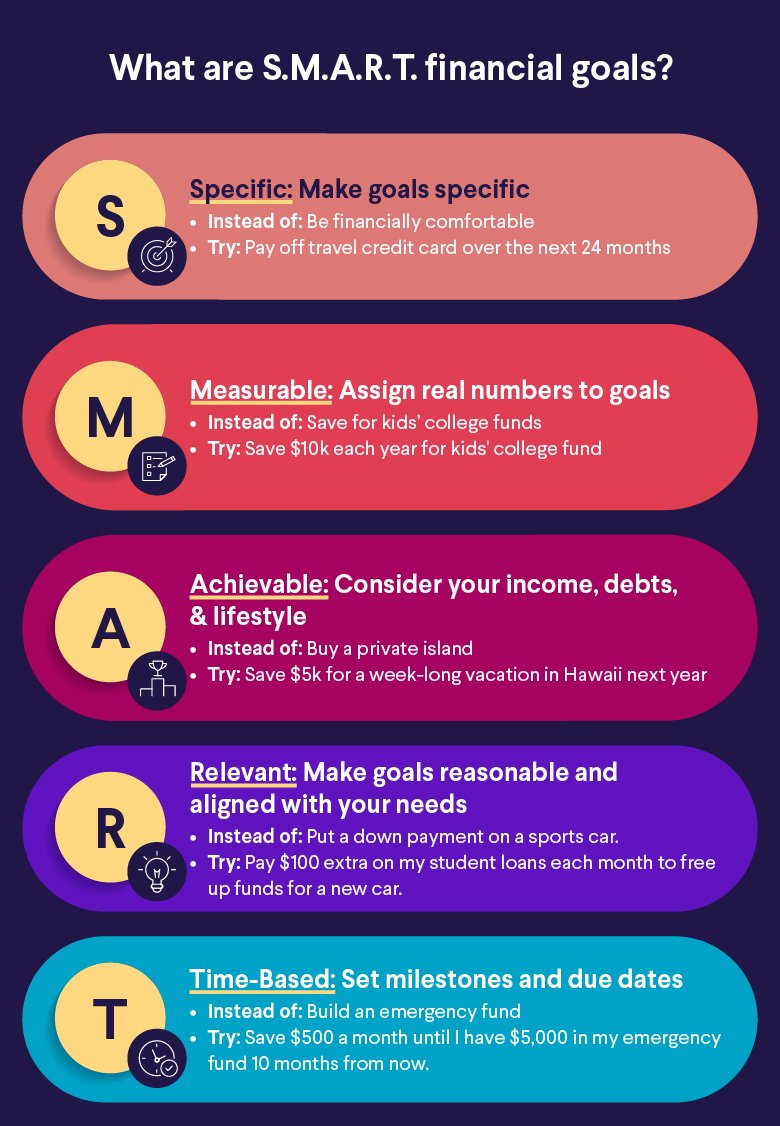
Let me share a real anecdote: After hitting rock bottom, I adopted the SMART framework—Specific, Measurable, Achievable, Relevant, and Time-bound. Instead of saying, «I want to save more,» I set a goal like, «Save $500 a month for an emergency fund by year-end.» It worked because it was grounded in my daily life. Opinions vary, but I firmly believe that ignoring emotional ties to money is a rookie mistake; it’s like ignoring the weather in Chicago—inevitable and often stormy. This approach isn’t just theory; it’s what pulled me out, and it’s why I’m passionate about sharing it. As a finance enthusiast, I’ve seen how cultural nuances, like the American dream of homeownership, can shape goals, making them more motivating.
The Overlooked Role of Accountability Partners
Digging deeper, accountability turned my vague intentions into action. And that’s when it hit me—surrounding yourself with like-minded people isn’t optional; it’s essential. In finance circles, this means finding a buddy or app to track progress, turning solitary planning into a shared journey.
The Myth of Overnight Success and the Uncomfortable Truth
Here’s a common myth that needs busting: Many believe wealth comes from lottery wins or viral investments, like in that infamous «Wolf of Wall Street» scene where excess reigns. But the uncomfortable truth? It’s grinding consistency that builds empires. In finance, setting financial goals effectively requires debunking this fantasy, as it leads to poor decisions, like chasing high-risk stocks without a plan.
Consider this comparison: Just as ancient civilizations like the Romans built enduring structures with meticulous planning, modern financial success demands the same. While Rome wasn’t built in a day, neither is a retirement nest egg. In the U.S., where individualism is king, we often overlook community support in goal setting, but data shows partnered planners succeed 30% more. My subjective take? This myth persists because it’s easier to dream than do the work, but breaking it down helps. For instance, instead of aiming for «financial freedom,» define it as «paying off debts in two years,» making it tangible and less intimidating.
Now, imagine a conversation with a skeptical reader: «You think setting goals will change my life? Prove it.» Well, here’s a mini experiment—track your expenses for a week without judgment. You’ll likely uncover spending patterns that derail your financial planning. It’s eye-opening, trust me, and it’s how I shifted from reactive to proactive money management.
Financial Goals Versus Life’s Curveballs—A Surprising Parallel
Ever notice how financial goals mirror navigating a storm? It’s an unexpected analogy, but hear me out: Just as sailors adjust sails for wind changes, you must adapt goals to life’s twists, like job losses or market dips. In finance, this means building flexibility into your long-term financial goals, ensuring they’re resilient.
Let’s propose an exercise: Grab a notebook and list three goals—one short-term, like building a budget; one medium, such as saving for a car; and one long-term, like retirement. Number them: 1. Short-term: Create a monthly budget to track spending. 2. Medium-term: Set aside 10% of income for that goal. 3. Long-term: Invest in a diversified portfolio. This simple step, inspired by real financial advisors, adds clarity and prevents overwhelm.
Culturally, in America, we idolize the self-made success story, but that often glosses over the planning involved. A table might help visualize this:
| Aspect | Rigid Goals | Flexible Goals |
|---|---|---|
| Adaptability | Breaks easily with changes | Adjusts to life’s surprises |
| Success Rate | Lower, per studies | Higher, with real-time tweaks |
| Example | «Save exactly $1,000/month» | «Save 10% of income, whatever it is» |
This comparison shows why flexibility isn’t a weakness; it’s a strength, especially in volatile markets.
A Final Twist: The Power You’ve Always Had
In wrapping up, here’s a perspective flip: What if the key to financial success isn’t more money, but better habits? By setting goals effectively, you’re not just planning finances—you’re reclaiming control. So, take action now: Review your current goals and tweak one using the SMART method. It’s that straightforward.
And one last thought—how do your financial goals align with your deeper values? Reflect on that, and share in the comments; it might just spark the change you need. After all, in finance, it’s not about perfection; it’s about progress, one calculated step at a time.


