





Chaos in wallets. That’s the unexpected reality for families eyeing college dreams, where soaring tuition fees clash with everyday budgets. Did you know that the average cost of a four-year private college in the US has skyrocketed over 140% in the last two decades, outpacing inflation and leaving many in debt quicksand? This financial whirlwind isn’t just numbers; it’s a barrier to opportunity. But here’s the benefit: by mastering smart planning strategies, you can shield your future from unnecessary loans and build a legacy of security. Let’s dive into how to tackle college tuition costs head-on, turning potential pitfalls into pathways for success.
My Wake-Up Call: The Day Numbers Turned Personal
Picture this: I was fresh out of high school, starry-eyed about university life, when my parents sat me down with spreadsheets that felt like a foreign language. We’d always saved a «rainy day fund,» as my dad called it, but tuition bills hit like a tidal wave we weren’t prepared for. It was 2008, right in the midst of the economic downturn, and suddenly, what seemed like a solid plan unraveled. I remember thinking, «Why didn’t we start earlier?» That personal blunder taught me a harsh lesson: early planning isn’t just wise; it’s essential for avoiding the debt trap that snares so many graduates.
In my opinion, based on watching friends juggle multiple jobs just to cover loans, the key is **starting savings as early as possible**. It’s like planting a tree; the sooner you do it, the stronger the shade when you need it most. For instance, if you’re a parent, consider how compound interest can multiply your efforts—think of it as a quiet ally in your corner. And just to add a twist, while Hollywood glamorizes comebacks in films like «The Pursuit of Happyness,» real life demands proactive steps, not last-minute miracles. This isn’t about perfection; it’s about that imperfect start that builds momentum.
A Hidden Cost Reality
Delving deeper, the emotional toll of unplanned tuition can linger, turning what should be a triumphant phase into a stressor. But by weaving in tools like 529 plans—tax-advantaged savings accounts specifically for education—you’re not just saving money; you’re reclaiming control.
From Boomers to Gen Z: How Past Generations Handled Tuition Burdens
Shift gears to a historical lens: back in the 1970s, when my grandparents attended college, tuition at public universities was a fraction of today’s prices—around $1,000 a year, adjusted for inflation. Fast forward, and we’re in a world where that same education can top $10,000 annually. This comparison highlights a cultural evolution; what was once seen as a public good has become a privatized expense, influenced by policies that shifted funding burdens onto individuals. In the US, this ties into the «American Dream» narrative, where education is the ladder, but the rungs are getting pricier.
Here’s a truth that’s uncomfortable: myths persist that scholarships alone can cover costs, but data from the College Board shows only about 20% of students max out on aid. I find it ironic how we’ve romanticized bootstrapping, yet ignore how systemic changes—like rising state budget cuts—have made planning a necessity. To counter this, consider a **tuition payment plan** as your modern strategy, spreading costs over time without the high interest of loans. It’s like comparing a steady river to a flash flood; the former sustains, the latter overwhelms.
| Era | Average Tuition (Public) | Common Strategy | Pros/Cons |
|---|---|---|---|
| 1970s | $1,000/year | Part-time jobs | Pro: Affordable; Con: Limited access for all |
| 2020s | $10,000+/year | 529 plans & financial aid | Pro: Tax benefits; Con: Requires early discipline |
This table isn’t just data; it’s a wake-up call to adapt. And that’s when the real challenge begins—bridging the gap between past ease and present complexity.
The Sneaky Pitfalls of Procrastination and How to Outsmart Them
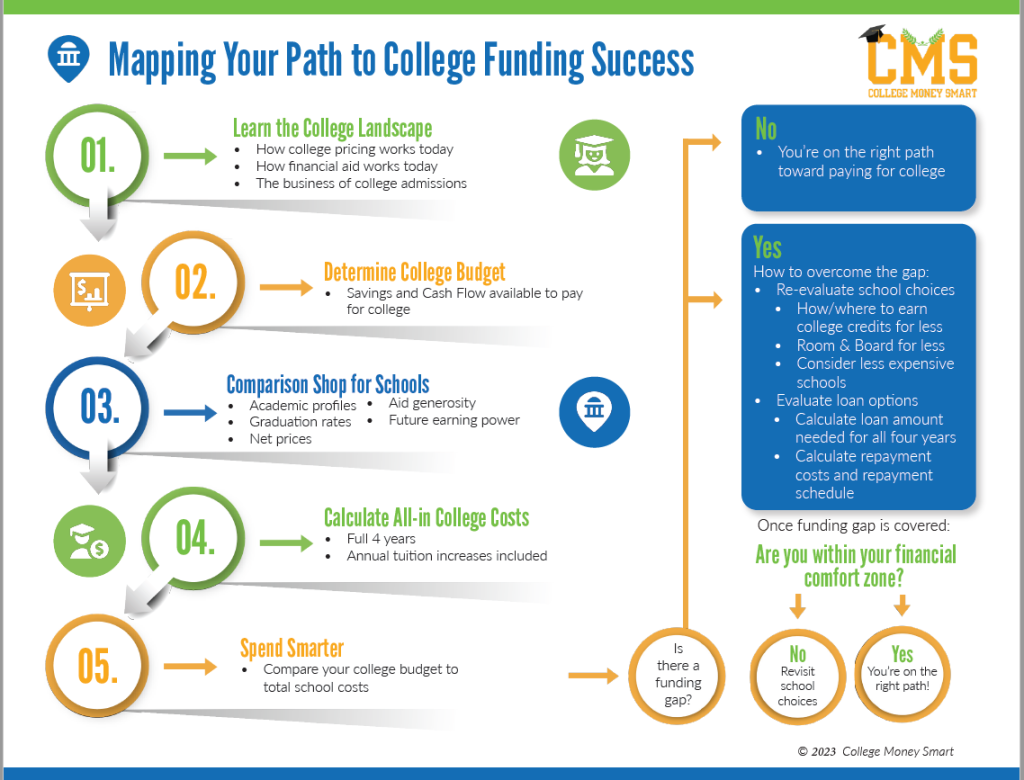
Imagine you’re chatting with a skeptical friend over coffee: «Why bother planning now? Tuition might drop, right?» I’d counter with a dose of reality—prices have only climbed, and waiting is like betting against the odds in a rigged game. The problem? Overlooking expenses like room and board, which can add another $15,000 annually, leading to a debt cycle that feels inescapable. But here’s the solution, wrapped in serious strategy: break it down into actionable steps. First, assess your current finances; second, explore federal aid options like FAFSA; third, diversify with investments.
1. Start with a ballpark figure of total costs using online calculators—it’s eye-opening. 2. Apply for scholarships early; they’re competitive goldmines. 3. Set up automatic transfers to a savings account, turning abstract goals into tangible progress. This approach isn’t foolproof, but it’s a far cry from the «set it and forget it» mentality that bites back. In finance, it’s like navigating a maze; one wrong turn, and you’re lost, but with a map, you’re golden.
Taking it further, consider how a **long-term savings strategy** can incorporate unexpected twists, such as inflation adjustments. My subjective take? It’s empowering, not overwhelming, when you view it as a family legacy rather than a chore.
Giro Final: Beyond the Balance Sheet
In wrapping up, planning for college tuition isn’t merely about crunching numbers; it’s about crafting a future where education enhances life, not hinders it. That twist? The real wealth lies in the peace of mind you gain, free from the chains of debt. So, take action now: pull up a tuition estimator and map out your first savings move today. And think on this: what overlooked financial habit might transform your family’s tomorrow? Share your thoughts in the comments—let’s build a community of savvy planners.


