



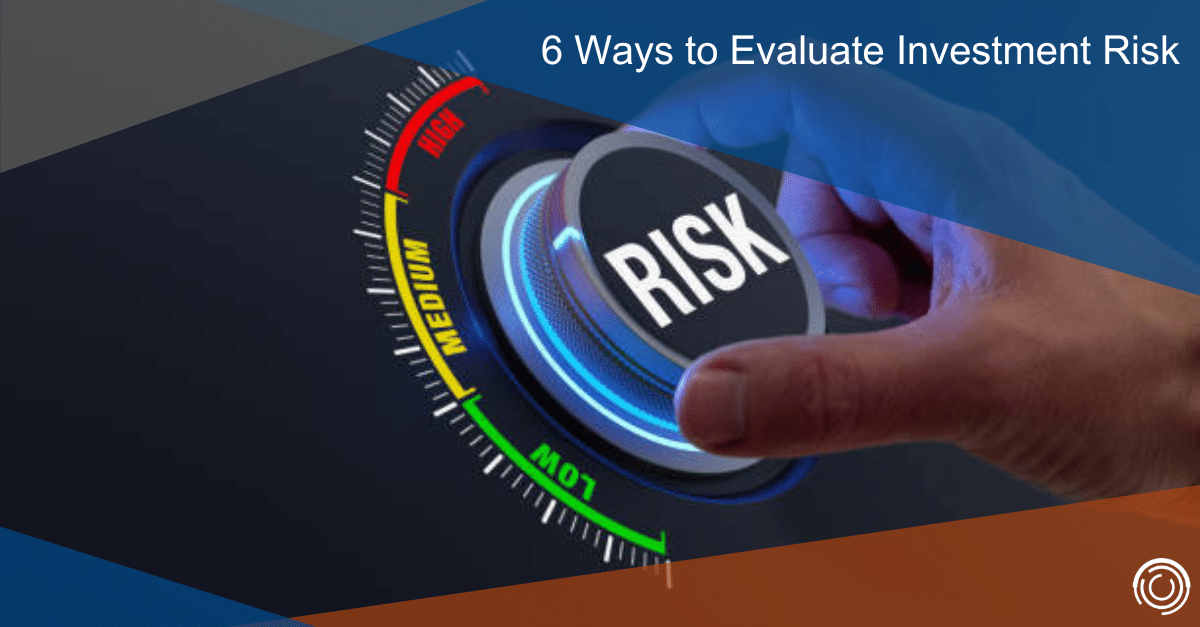
Fortunes flip overnight. That’s the harsh reality of investing, where a seemingly solid stock can plummet faster than a lead balloon, leaving you questioning every decision. Did you know that according to a study by Dalbar Inc., the average investor underperforms the market by over 5% annually due to emotional reactions and unassessed risks? It’s a bitter pill to swallow, but ignoring these dangers can erode your hard-earned savings. In this article, we’ll dive into how to evaluate investment risks, turning you from a passive player into a savvy strategist who protects and grows wealth. By the end, you’ll grasp practical steps to assess and mitigate financial pitfalls, ensuring your portfolio weathers any storm.
That Time I Almost Lost It All
Picture this: back in 2008, I was a wide-eyed newbie staring at my computer screen as my retirement account took a nosedive. Y just there I was, thinking tech stocks were invincible—until the market crash hit like a freight train. I’d poured money into shares without a second thought about volatility or economic indicators, naively believing the good times would last forever. In my opinion, that was my biggest blunder; ignorance isn’t bliss when your nest egg is on the line. This personal fiasco taught me a crucial lesson: evaluating investment risks isn’t optional—it’s survival. Risk assessment in investments starts with understanding market fluctuations, and let me tell you, it’s like navigating a ship through foggy waters without a compass if you skip it.
To make this real, consider how I finally turned things around. I began by tracking historical data on my holdings, using tools like Yahoo Finance to spot patterns. It’s not about predicting the future—nothing’s foolproof—but about weighing probabilities. A metaphor I’ve come to love: treating risks like uninvited guests at a party; you need to know who’s showing up before they wreck the place. And here’s a twist on local wisdom—being from the States, we often say «bite the bullet» when facing tough choices, but in finance, it’s more like «chew on the data» first. By incorporating long-term investment risk evaluation, I diversified my portfolio, mixing in bonds and real estate to buffer against shocks. It wasn’t glamorous, but it saved my bacon.
From Tulip Mania to Dot-Com Busts
Ever heard of the Dutch Tulip Mania in the 1630s? It was this wild craze where people traded tulip bulbs like they were gold, only for the bubble to burst and wipe out fortunes. Fast-forward to the late 1990s, and we’re talking about the dot-com explosion, where companies with no profits skyrocketed on hype alone—sound familiar with today’s meme stocks? This historical comparison shows how financial risks in investments repeat themselves, often fueled by greed and overconfidence. In finance circles, it’s a stark reminder that human behavior hasn’t evolved much since those tulip fields.
But let’s get disruptive: what if we flipped the script and viewed these events as teachable moments rather than tragedies? For instance, the 2008 financial crisis, which I lived through personally, exposed the dangers of leveraged derivatives—complex tools that amplified losses. A truth that’s uncomfortable: even experts get it wrong, as seen in the fall of giants like Lehman Brothers. To counter this, modern investors use metrics like beta for market risk or Value at Risk (VaR) models to quantify potential downsides. It’s like comparing a historical epic to a current thriller; both have plot twists, but with investment risk assessment tools, you can anticipate them. Throw in a nod to culture—think of it as the Wall Street version of «The Wolf of Wall Street,» where Jordan Belfort’s excesses highlight the perils of ignoring red flags.
| Risk Type | Description | Advantages of Evaluation | Disadvantages if Ignored |
|---|---|---|---|
| Market Risk | Fluctuations due to economic changes, like interest rates or inflation. | Allows for diversification to spread exposure. | Potential for massive losses, as in 2008 crashes. |
| Credit Risk | The chance that a borrower defaults on debt. | Helps select safer bonds or lenders. | Could lead to unexpected write-offs in your portfolio. |
| Liquidity Risk | Difficulty selling assets quickly without loss. | Ensures you can access cash when needed. | Might trap your money in illiquid investments during downturns. |
Spotting the Icebergs in Your Financial Ocean
Here’s the irony: many investors chase high returns without realizing the hidden traps lurking beneath the surface, like icebergs waiting to sink the Titanic of their dreams. Take quantitative easing or geopolitical tensions—factors that can turn a stable market upside down. In a serious tone, it’s frustrating how overlooked these are, but the solution lies in systematic evaluation. Start by asking yourself: how exposed am I to currency fluctuations if I’m holding international stocks? That’s a mini experiment you can do right now—pull up your portfolio and check the correlation with global indices.
To break it down, follow these steps for clarity: 1. Identify specific risks using financial statements and news analysis. 2. Measure them with ratios like the Sharpe ratio, which balances return against volatility. 3. Mitigate by adjusting allocations, perhaps shifting to less volatile assets. This approach isn’t just theory; it’s how I clawed back from my earlier mistakes. And just when you think you’ve got it figured, remember that markets are unpredictable—like a plot twist in a thriller. By embracing evaluating portfolio risks, you gain an edge, turning potential disasters into manageable waves.
What if evaluating risks was the key to not just surviving, but thriving in finance? It’s a perspective shift that empowers you to take control. So, here’s your call to action: grab a notebook and list your top three investments, then assess their risks using online calculators—do it now, before the next market shift. Finally, a reflective question: how has overlooking investment risks shaped your financial journey, and what changes will you make moving forward? Share your thoughts in the comments; let’s keep the conversation real.


