








Inflation strikes silently. It’s that uninvited guest at your financial party, eroding value while you sip champagne. Did you know that since 1913, the U.S. dollar has lost over 90% of its purchasing power due to inflation? That’s not just a number—it’s a wake-up call for anyone building wealth. In this article, we’ll explore practical ways to shield your assets from this stealthy foe, ensuring your hard-earned money works for you, not against you. By the end, you’ll have actionable strategies to maintain your financial edge, turning potential losses into gains.
A Personal Tale of Inflation’s Bite
Back in 2008, when the economy tanked and prices started creeping up, I watched my savings account dwindle like sand through fingers. I’d stashed money in a simple high-yield savings account, thinking it was safe—boy, was I wrong. Inflation hit 5% that year, and my account barely kept pace at 2%. Suddenly, everyday items cost more, and my nest egg felt lighter. And that’s when it really hit me: ignoring inflation is like ignoring a slow leak in your roof; it starts small but floods everything eventually.
I believe diversification isn’t just smart; it’s essential for real protection. Drawing from that experience, the key lesson is to act early. Protecting assets from inflation means mixing things up—stocks, bonds, and more. Take real estate, for instance; it’s a classic hedge, as property values often rise with inflation. In my case, shifting some funds into a modest rental property turned things around, providing steady income that outpaced rising costs. It’s not about getting rich quick; it’s about staying afloat when the tide rises.
Echoes of History: What Past Inflations Teach Us
Picture this: Germany in the 1920s, where hyperinflation turned a wheelbarrow of cash into pocket change for a loaf of bread. Or the U.S. in the 1970s, when oil shocks sent inflation soaring to double digits, wiping out fixed-income investments overnight. These aren’t just history lessons; they’re stark reminders that inflation protection strategies have evolved from necessity. Back then, savvy investors turned to gold, which skyrocketed as currencies crumbled, much like how Bitcoin enthusiasts today eye it as a digital gold rush—though I’m skeptical of the hype.
Comparatively, in modern times, we’ve seen countries like Zimbabwe face runaway inflation, forcing people to barter goods just to survive. This cultural shift highlights a universal truth: assets tied to tangible value, like commodities or equities in growing sectors, hold up better. I often think of it as a game of chess; inflation is the opponent making unpredictable moves, and you need pieces like diversified portfolios to counter. It’s not just about wealth—it’s about preserving your lifestyle, as these historical parallels show us the pitfalls of complacency.
A Subtle Irony in Ignoring the Signs
What’s ironic is how many overlook these lessons, assuming «it won’t happen to me.» Yet, as we’ve seen, even stable economies aren’t immune. This brings us to a mini-experiment: track your daily expenses for a week and compare to last year. You’ll likely spot inflation’s fingerprints everywhere.
Fortifying Your Finances: Practical Steps Forward
Here’s the rub: many investors treat inflation like a distant storm, but it’s brewing in your backyard. With central banks pumping money into economies, prices climb, and your assets sit vulnerable. Let’s address this head-on with a straightforward comparison of options—ironically, some «safe» choices might be your downfall.
First off, consider Treasury Inflation-Protected Securities (TIPS), which adjust for inflation, versus traditional bonds that don’t. Below is a simple breakdown to clarify:
| Investment Type | Advantages | Disadvantages |
|---|---|---|
| TIPS | Principal adjusts with inflation, providing real returns. | Lower yields compared to stocks; requires holding period. |
| Real Estate | Tangible asset that appreciates; generates rental income. | Maintenance costs and market fluctuations; not liquid. |
| Stocks in Commodities | Hedges against rising prices; potential for high growth. | Volatility can be stomach-churning, as seen in oil market swings. |
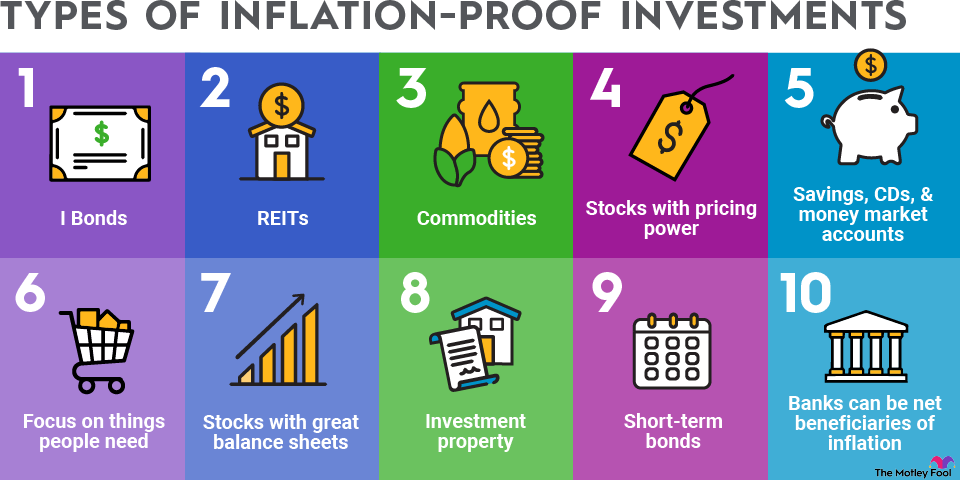
1. Start by assessing your current holdings—do they include inflation-beating elements like stocks in essential sectors? 2. Then, allocate a portion to assets that historically outpace inflation, such as equities or real estate investment trusts (REITs). 3. Finally, keep your ducks in a row by rebalancing annually; it’s like tuning a car engine before a long drive.
In my opinion, hedging against inflation isn’t rocket science, but it demands vigilance. Think of it as outsmarting a pickpocket—stay aware, and you’ll keep your wallet safe. That reference to «The Wolf of Wall Street» might be a stretch, but Jordan Belfort’s excesses remind us that unchecked greed can inflate risks just as much as economic policies.
Wrapping It Up: A Fresh Perspective on Wealth
Ultimately, protecting your assets from inflation isn’t merely about numbers; it’s about reclaiming control in an uncertain world. Here’s the twist: what if viewing inflation as an opportunity, not a threat, changes everything? By implementing these strategies, you’re not just defending wealth—you’re building resilience for life’s curveballs.
So, take action now: review your portfolio and adjust for at least one inflation-proof investment today. And just think: how has inflation reshaped your financial journey, and what one step will you take to fight back? Share your thoughts in the comments; let’s keep the conversation real.


