



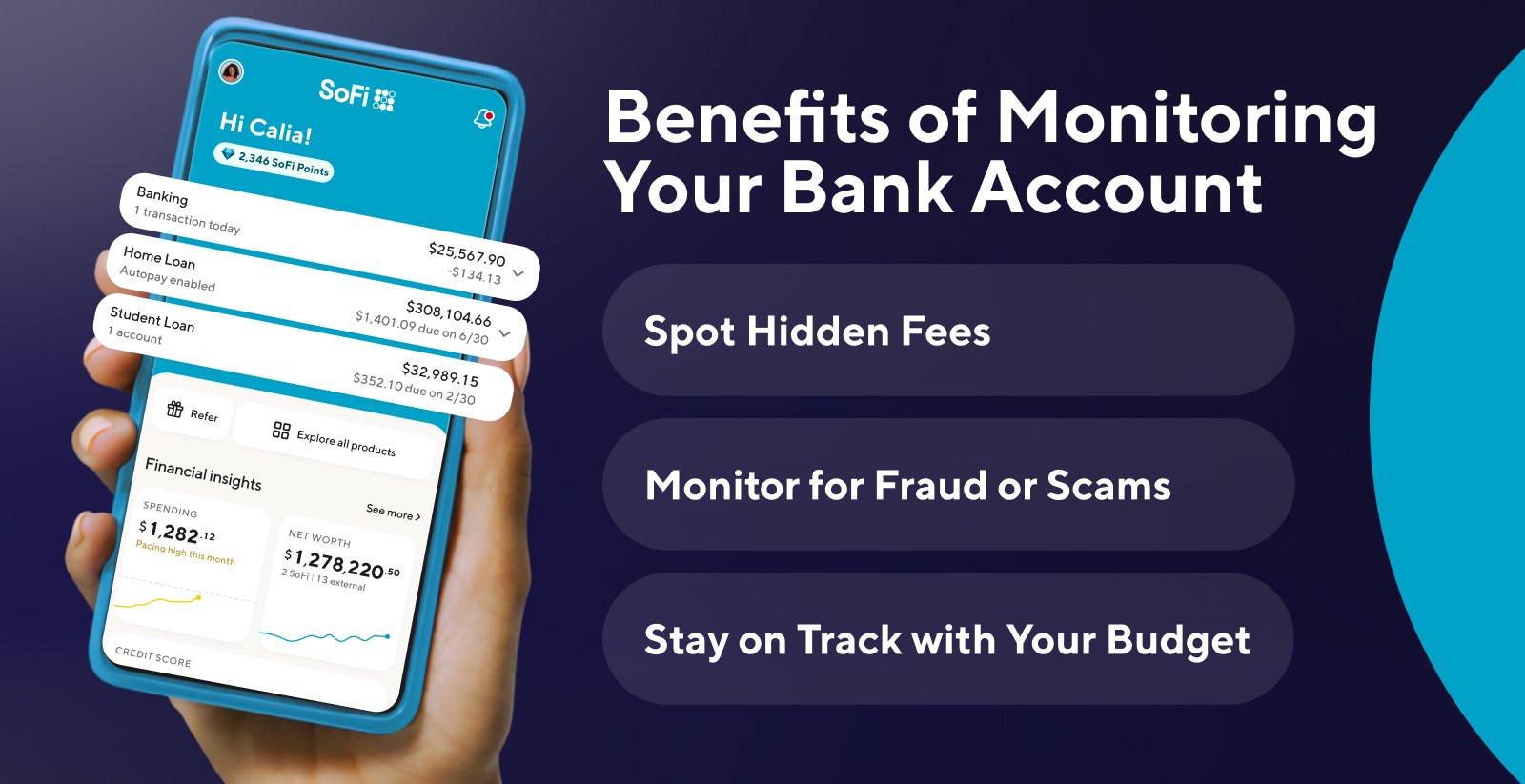
Hidden threats linger. In the world of finance, where every transaction whispers secrets, ignoring your bank statements is like leaving your front door unlocked at night. Did you know that according to the Federal Trade Commission, financial fraud affects millions annually, with many victims only realizing it after months of unchecked activity? This oversight isn’t just a minor slip; it’s a gateway to identity theft, overspending, and financial chaos. By monitoring your bank statements regularly, you’ll gain control over your money, spot irregularities early, and build a fortress of financial security that brings peace of mind and smarter budgeting decisions. Let’s dive deeper into why this habit is non-negotiable.
A Lesson from My Own Ledger: The Day I Almost Lost It All
Picture this: I’m sitting at my desk, coffee in hand, flipping through months of ignored bank statements that piled up like forgotten laundry. It was 2015, right after I moved to New York City—the city that never sleeps, but apparently, I did when it came to my finances. I remember spotting a string of small, unauthorized charges that added up to hundreds—subscriptions I never signed up for, sneaky as a pickpocket in a crowd. And you know what? It hit me hard, realizing how easily I could have prevented it with a quick monthly review.
This isn’t just my story; it’s a wake-up call for anyone juggling bills in a fast-paced life. I firmly believe that regular monitoring acts as a personal audit, catching errors before they snowball. Think of it like a trusted watchdog in your financial yard, sniffing out intruders early. In the U.S., where consumer debt often creeps up unnoticed, this practice isn’t optional—it’s essential. My experience taught me that even with a modest income, overlooking statements can lead to bigger headaches, like disputed charges turning into credit score hits. By making it a routine, you’re not just protecting assets; you’re reclaiming power over your economic narrative.
Shattering Assumptions: Why Everyone Needs to Watch Their Wallet
Here’s a common myth that gets tossed around: «Only the wealthy have to worry about bank statements.» Oh, if only that were true. In reality, it’s the everyday folks—teachers, small business owners, even students—who are prime targets for fraud. Take the 2023 data from the Identity Theft Resource Center; it shows a surge in synthetic identity fraud, affecting all income levels. This uncomfortable truth hits close: no matter how careful you are, a single overlooked transaction can unravel your financial monitoring efforts.
Compare this to historical financial practices, like how families in the Great Depression kept meticulous records to survive. Back then, it was about necessity; today, it’s about smart defense. For instance, in American culture, we often glorify rags-to-riches tales, like in «The Wolf of Wall Street,» but forget the mundane vigilance that keeps us from falling. The advantages? Early detection of errors saves time and money, while disadvantages of ignoring it include compounded interest on unauthorized loans. Here’s a simple table to break it down:
| Aspect | Regular Monitoring | Ignoring Statements |
|---|---|---|
| Fraud Detection | Quick action, minimal loss | Delayed response, higher costs |
| Budget Control | Spot overspending trends | Unexpected debt surprises |
| Peace of Mind | Proactive financial health | Constant worry and stress |
By confronting this myth head-on, you’re arming yourself with knowledge that’s as American as apple pie—practical and straightforward.
Imagine the Fallout: Could You Afford to Look Away?
What if you skipped checking your bank statements for just six months? It’s a disruptive question that forces us to confront the ripple effects on our daily lives. In my view, this isn’t theoretical; it’s a mini experiment you can try right now. Grab your latest statement and scan for anything odd—like that coffee shop charge from a state you haven’t visited. I did this recently, and it uncovered a forgotten automatic payment that was draining my account.
This exercise isn’t about scaring you; it’s about empowerment. In the finance world, where regularly checking bank statements is akin to wearing a seatbelt, the unexpected analogies hit home—like comparing it to reviewing your email inbox to avoid spam overload. Through this, you’ll uncover patterns in your spending, perhaps realizing how those «small treats» add up to a budget buster. And just like in pop culture references from shows like «Billions,» where characters obsess over every detail, real-life finance demands the same scrutiny to stay ahead.
In wrapping this up, think about how flipping through those pages isn’t just a chore—it’s a twist on taking charge, turning potential pitfalls into victories. So, here’s your call to action: Pull up your online banking app today and review your last statement for anomalies. How has making financial monitoring a habit reshaped your approach to money? Share your thoughts in the comments; it’s a conversation worth having.


